
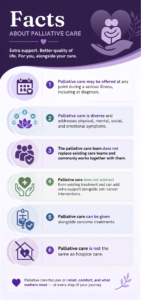
 Living with a rare disease can bring physical, emotional, and practical challenges for patients and their loved ones. Palliative care can offer an additional layer of support through a patient-centered approach focused on enhancing comfort and quality of life through treatments and services that can manage and relieve symptoms for patients living with rare diseases, such as sarcoma. This approach focuses on reducing the burden of illness, which is why it is often referred to assupportive care, symptom management, or supportive oncology.
If you or a loved one has been diagnosed with a rare cancer and is referred to palliative care, it is important to understand that all palliative care is not the same as hospice.
What does it mean when my care team recommends palliative care?
Being referred to palliative care simply means that additional support is available to help manage symptoms, address concerns, and enhance quality of life throughout the cancer journey. A referral to palliative care does not necessarily mean that a patient is in the final stage of their illness. Palliative care can provide extra support at any time during an illness and may even be suggested at the time of diagnosis and/or alongside continuing cancer treatments.
The current palliative care model maintains that supportive care and pain management should be available to patients from the beginning, not to replace other forms of treatment, but as a supplement. A palliative care team collaborates with a patient’s oncologists and other clinicians to offer relevant, ongoing support that is proactive rather than reactive.
What are palliative treatments that might be offered for support during treatment?
There are a number of interventions that could fall under the umbrella of palliative care for a patient with sarcoma, including:
Physical Symptom Relief
Some patients with sarcoma report a higher baseline symptom burden than other cancers and increased toxicity associated with some treatments can increase overall discomfort.
Palliative care exists to reduce this burden, target the symptoms and any potential side effects from treatment.
- Physical Symptoms. There are many strategies to manage physical symptoms ranging from oral medication, surgery, and non-invasive tumor reduction (chemotherapy, palliative surgery, palliative radiotherapy or radiofrequency ablation). In addition, other examples of supportive care can combine medication management with non-pharmacological approaches such as physical therapy, massage, and relaxation techniques to increase comfort, function, and quality of life.
-
Treatment Side Effects and Other Cancer-related Symptoms. Part of palliative care involves anticipating and mitigating other side effects and symptoms. Relief-focused strategies for medication use can involve pain relievers, anti-nausea medications, appetite stimulants, anti-anxiety medications, or other therapies designed to reduce symptoms, improve comfort, and support overall well-being. For example, working with a nutritionist can prevent weight loss due to cancer-related metabolic changes. Physical and occupational therapists can help maintain mobility. Addressing underlying contributors to fatigue, such as pain, sleep disturbances, medication side effects, can help improve energy levels and improve daily life.
Psychological and Emotional Support
Patients can experience a unique type of grief accompanying the loss of their daily lives and routines in the months following diagnosis and treatment, including anxiety, depression, fear, or emotional adjustment difficulties.
If you have experienced this, you are not alone. Thankfully, a palliative care team can help address this. Counseling, integrative medicine, creative therapy, and other interventions can all be leveraged to support a patient throughout their cancer journey.
In parallel, many palliative care programs encourage caregivers to use respite services (short-term relief of duties) early and throughout a treatment journey to help prevent burnout and maintain their own physical and emotional well-being.
Patients deserve relief at every stage of treatment.
While existing misconceptions of palliative care typically place the specialty in a small box, supportive care for sarcoma includes many possible interventions to help support patients throughout their cancer journey.
Patients are encouraged to ask their sarcoma team or a referring practitioner clarifying questions about palliative care options, what they can expect, and what measures might be integrated into their course of treatment.
For additional information, please refer to the sources below:
Ewing Sarcoma and Palliative Care | Quality of Life | Get Palliative Care.
Mayo Clinic. Supportive Oncology: The Role of Palliative Care for People with Cancer.
Fred Hutch. Inside Sarcoma Care: New Therapies, Clinical Trials & Team-Based Treatment.
More Support, Fewer Symptoms: Palliative Care for Older Adults with Cancer | Dana-Farber.