 Visibility for a Rare Cancer Community
Every July, Sarcoma Awareness Month brings patients, caregivers, advocates, researchers, and healthcare professionals together to shine a light on sarcoma. The month serves as an important opportunity to increase public understanding, encourage earlier diagnosis, advocate for research funding, and celebrate the strength and resilience of those affected by these diseases.
This year, awareness efforts featured a wide range of activities, including educational campaigns, patient stories, advocacy initiatives, fundraising events, and landmarks illuminated in yellow (the color of sarcoma awareness). Organizations around the world encouraged communities to participate in events such as the Wear Yellow Wednesday campaign, advocacy events, educational programs, and social media outreach designed to amplify awareness of sarcoma and its many subtypes.
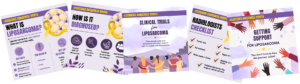
For LSN and the broader liposarcoma community, Sarcoma Awareness Month provided a valuable platform to increase understanding of this rare soft tissue sarcoma. Throughout the month, LSN shared educational resources and personal stories to help patients and families feel connected and informed.
Highlights included:
- Sharing of patient experiences to help others navigate diagnosis, treatment, and survivorship.
- Educational campaigns focused on recognizing symptoms, understanding treatment options, and connecting patients with sarcoma specialists.
- Expanded outreach through social media, webinars, and advocacy efforts aimed at driving research and improving support resources for those living with liposarcoma.
- Greater recognition of the need for continued research into rare sarcoma subtypes, including liposarcoma, to develop more effective therapies and improve quality of life for patients.
While Sarcoma Awareness Month may have come to a close, the momentum continues. The awareness raised, stories shared, and advocacy efforts throughout July all contribute to a stronger and more connected sarcoma community.
For patients living with liposarcoma, this serves as a reminder that while this cancer may be rare no one has to face it alone. Through continued education, research, and advocacy, the community can move closer to earlier diagnoses, better treatments, and improved outcomes for all.